A recent Pittsburgh Post-Gazette article highlighted a critical issue during our current summer heat waves, The exact neighborhood you live in can significantly impact your risk of heat-related illness. Since the original article is behind a paywall, we wanted to break down the core concepts and share why this matters for our community!
The “Urban Heat Island” Effect
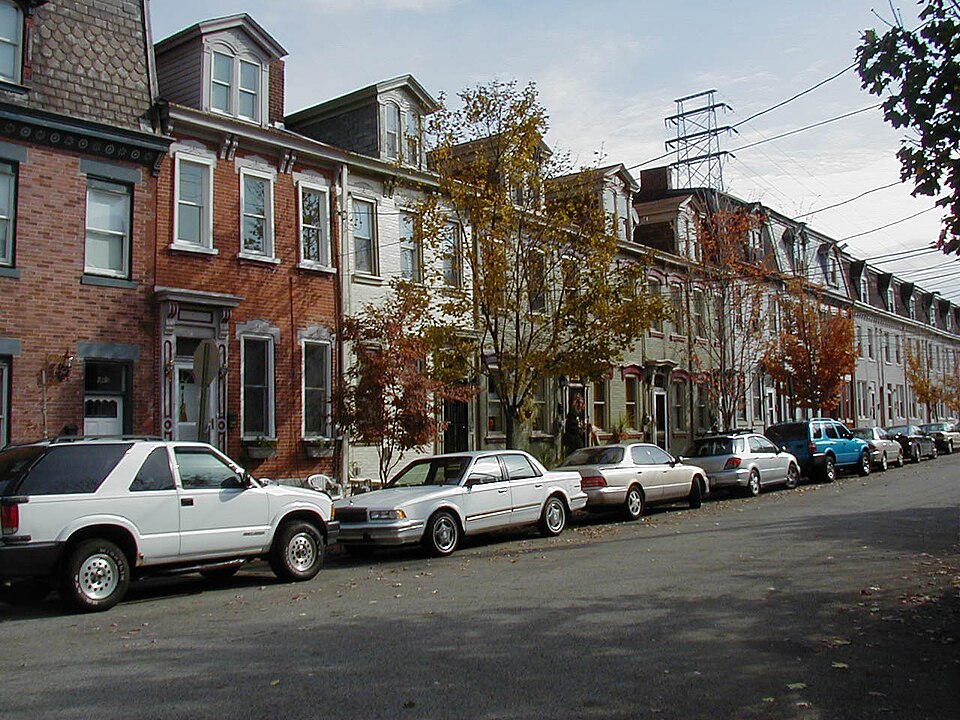
A recent Carnegie Mellon University study found that historically redlined and low-income neighborhoods in Pittsburgh are on average 5 degrees hotter than other areas of the city. Why? These neighborhoods have a higher concentration of heat-trapping “dark surfaces” (like dark roofs, sprawling parking lots, and asphalt roads) combined with a significant lack of trees that can help cool a neighborhood.
The Cost of Cooling
This infrastructure gap creates a dangerous cycle for vulnerable populations like seniors, childlren, and those with health conditions. As summer temperatures rise and nights stay humid, residents are left without a chance to cool off. Compounding this is the reality of “energy poverty.” In some areas, low-income residents spend up to 18% of their income on energy bills, making air conditioning an unaffordable luxury even if they have the equipment.
Here at Rebuilding Together Pittsburgh, we see this challenge firsthand. RTP works to weatherize homes for older adults, disabled individuals, and low-income residents to help them trap heat in the winter and stay cool in the summer.
Temperature issues are occurring throughout the year now. We notice that the majority of homeowners we work with are in need of an AC and rarely have a functioning cooling system. –Travis Renville, RTP CEO
Looking Ahead: Sustainable Solutions
The good news is that there are actionable ways to cool down our neighborhoods. Experts and advocates are pushing for the city to invest in “smart surfaces.” Integrating things like green roofs, solar panels, porous pavements, and extensive tree planting—especially during routine street maintenance—can dramatically lower neighborhood temperatures, reduce flooding risks, and make our communities safer and more equitable for everyone.
